Dry Storage in Dammam for Fashion Brands 2026
Fashion and apparel brands operating out of Dammam face a storage problem that food importers never have to think about: humidity damage. A single rainy-season spike in warehouse moisture can mildew an entire container of cotton garments or warp leather stock before it ever reaches a store shelf. Dry storage in Dammam, done properly, is the difference between a season’s inventory arriving in sellable condition and a write-off. This guide covers what fashion brands specifically need to check before renting space in 2026.
Why Fashion Inventory Needs Specialized Dry Storage
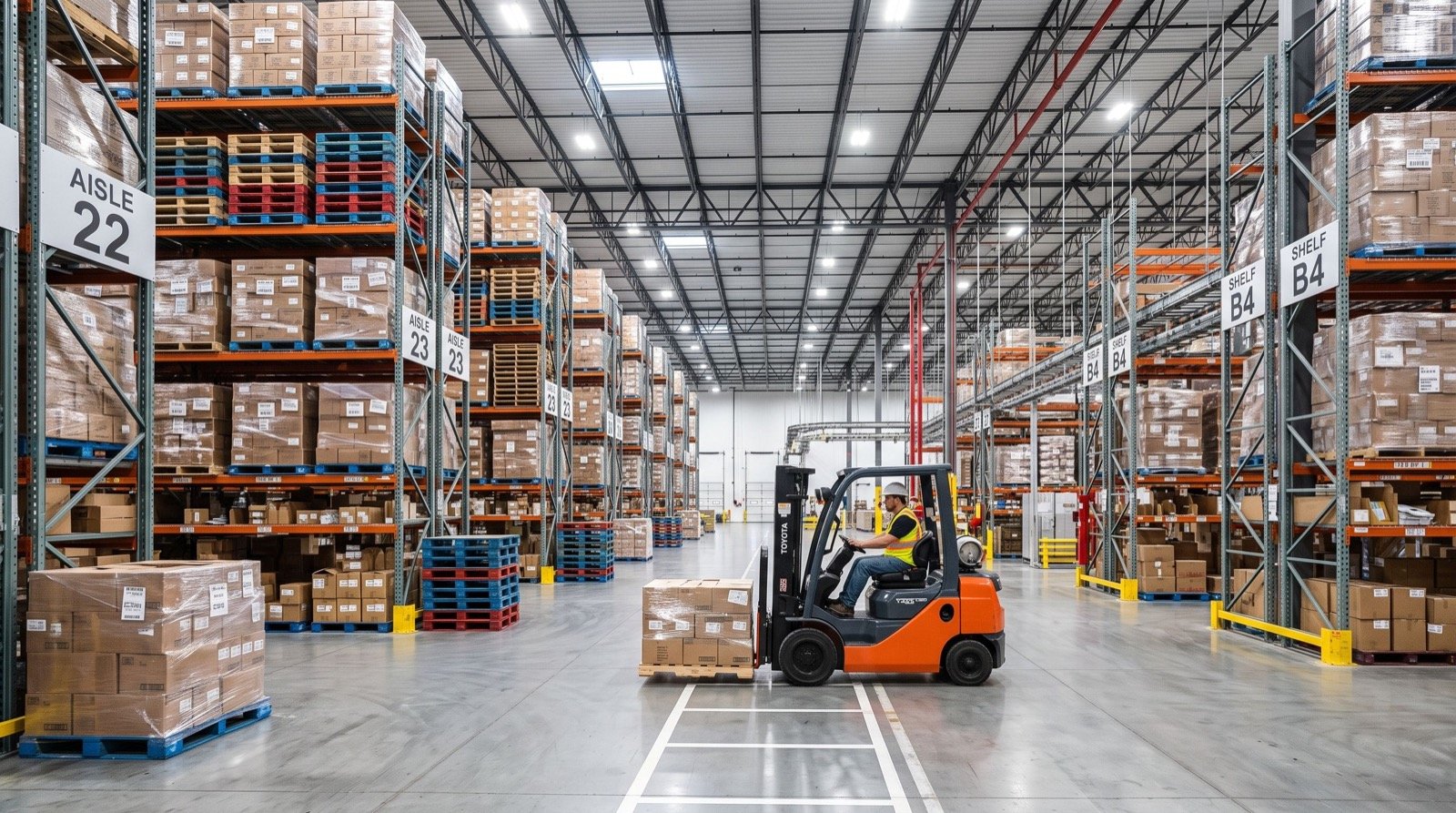
Apparel isn’t like electronics or packaged food. Natural fibers absorb moisture from the air, dyes can fade under prolonged light exposure, and folded stock left too long in poor airflow develops creasing that no steamer fully removes. That’s why Dry Storage In Dammam built for textiles looks different from generic warehouse space — it needs active humidity control, not just a roof and four walls, along with racking systems designed for garment bags and folded stock rather than industrial pallets.
How Do Fashion Brands Avoid Inventory Damage in Storage?
The brands that avoid seasonal losses tend to follow the same few habits. They rotate stock on a first-in-first-out basis instead of letting older collections sit untouched at the back of the warehouse. They request monthly humidity readings from their storage provider rather than assuming conditions are stable. And they separate high-value items like leather goods and embellished pieces into their own climate zone instead of mixing them with bulk cotton basics.
Storage Requirements by Fabric and Product Type
Different materials tolerate different storage conditions. Use this table to brief your warehouse provider on what your collection actually needs.
| Material / Product | Humidity Sensitivity | Recommended Handling | Risk if Mishandled |
|---|---|---|---|
| Cotton and linen garments | Moderate | Breathable racks, avoid plastic wrap long-term | Mildew, musty odor |
| Leather goods and footwear | High | Climate-controlled zone, silica packs | Cracking, mold growth |
| Synthetic fabrics | Low | Standard dry storage sufficient | Minimal, color fading only |
| Embellished / beaded pieces | Moderate to high | Individual garment bags, low stacking | Bead loss, fabric snagging |
| Denim and heavyweight cotton | Low to moderate | Standard racking, periodic rotation | Creasing if stacked too long |
Should You Use a Specialized Fashion Storage Provider?
General-purpose warehouses can handle basic apparel storage, but brands dealing in leather, bridal wear, or embellished pieces usually get better outcomes from a facility built specifically around Storage for the Fashion Industry. These facilities typically offer garment-specific racking, lower stacking heights to prevent creasing, and staff trained to handle delicate inventory rather than treating every box the same way a bulk commodity warehouse would.
Managing Inventory and Compliance Together
Storage is only half the operation. Fashion retailers in Saudi Arabia also need their inventory records to match their e-invoicing system cleanly, especially as ZATCA compliance requirements tighten each year. Working with an experienced local team that understands both the physical storage side and the digital invoicing side saves brands from the common headache of stock counts that don’t reconcile with their accounting system at month-end.
What Does Dry Storage Cost for a Fashion Brand in 2026?
Pricing depends heavily on whether you need climate control. Plain ambient dry storage remains the most affordable option, while humidity-controlled zones for leather and delicate fabrics typically carry a 15-25% premium. Seasonal businesses should also ask about short-term flex space for peak collection launches, since committing to year-round premium space for only two busy seasons rarely makes financial sense.
- Ambient dry storage: lowest cost, suitable for synthetics and basics
- Humidity-controlled zones: moderate premium, required for leather and embellished stock
- Seasonal flex space: higher daily rate but avoids a year-round commitment
- Garment-specific racking fees: usually bundled into specialized fashion storage contracts
Frequently Asked Questions
What humidity level is safe for storing garments long-term?
Most textile specialists recommend keeping relative humidity between 45-55% to prevent mildew without causing fabrics to dry out and become brittle over extended storage periods.
Can I store seasonal collections for a full year between launches?
Yes, with proper humidity control and periodic rotation, most fabrics store safely for a full year, though leather and embellished items benefit from inspection every few months.
Do fashion brands need pest control in dry storage?
Absolutely. Natural fibers attract moths and other pests more than synthetics do, so regular pest control and sealed packaging are essential, especially for wool and silk inventory.
How do I know if a warehouse is actually humidity-controlled?
Ask for a dehumidification system specification and recent humidity logs rather than taking a verbal assurance. A facility genuinely offering climate control will have no issue sharing this data.
Planning Storage Around Seasonal Collection Launches
Fashion retail runs on a launch calendar, not a steady drip of inventory, and that creates a storage problem most brands don’t plan for until it’s too late. In the weeks before a new collection drops, warehouses fill with both the incoming season’s stock and whatever remains unsold from the outgoing one. Brands that handle this well typically:
- Book short-term flex space 4-6 weeks ahead of a major launch instead of waiting until the warehouse is already full
- Mark down and clear outgoing stock on a fixed schedule rather than letting it occupy premium climate-controlled space indefinitely
- Separate “active season” stock from archived or discontinued lines so staff aren’t searching through irrelevant inventory during peak picking periods
Without this kind of planning, it’s common for a brand to end up paying premium humidity-controlled rates to store last season’s clearance stock simply because nobody scheduled time to move it out.
Staffing and Handling Standards
Storage quality isn’t only about the building, it’s also about who’s handling your garments inside it. Ask any prospective warehouse how staff are trained to handle delicate fabrics, whether they use clean gloves when touching light-colored or embellished pieces, and how damaged items are reported back to you. A facility that can answer these questions confidently, with a documented handling procedure, is a far safer bet than one that treats every box the same regardless of what’s inside it.
Final Thoughts
Dry storage in Dammam can protect or quietly destroy a fashion brand’s inventory depending on how carefully it’s managed. Match your materials to the right humidity conditions, rotate stock instead of letting it sit, plan ahead for seasonal launch overlaps, and choose a provider who understands both the physical and compliance sides of running inventory in Saudi Arabia. According to the International Organization for Standardization, textile storage guidelines under ISO 139 remain the global reference point for humidity control, and facilities that follow them consistently see far fewer damage claims in 2026 than those that don’t.