Dry Storage in Dammam for Fashion Brands: A 2026 Guide
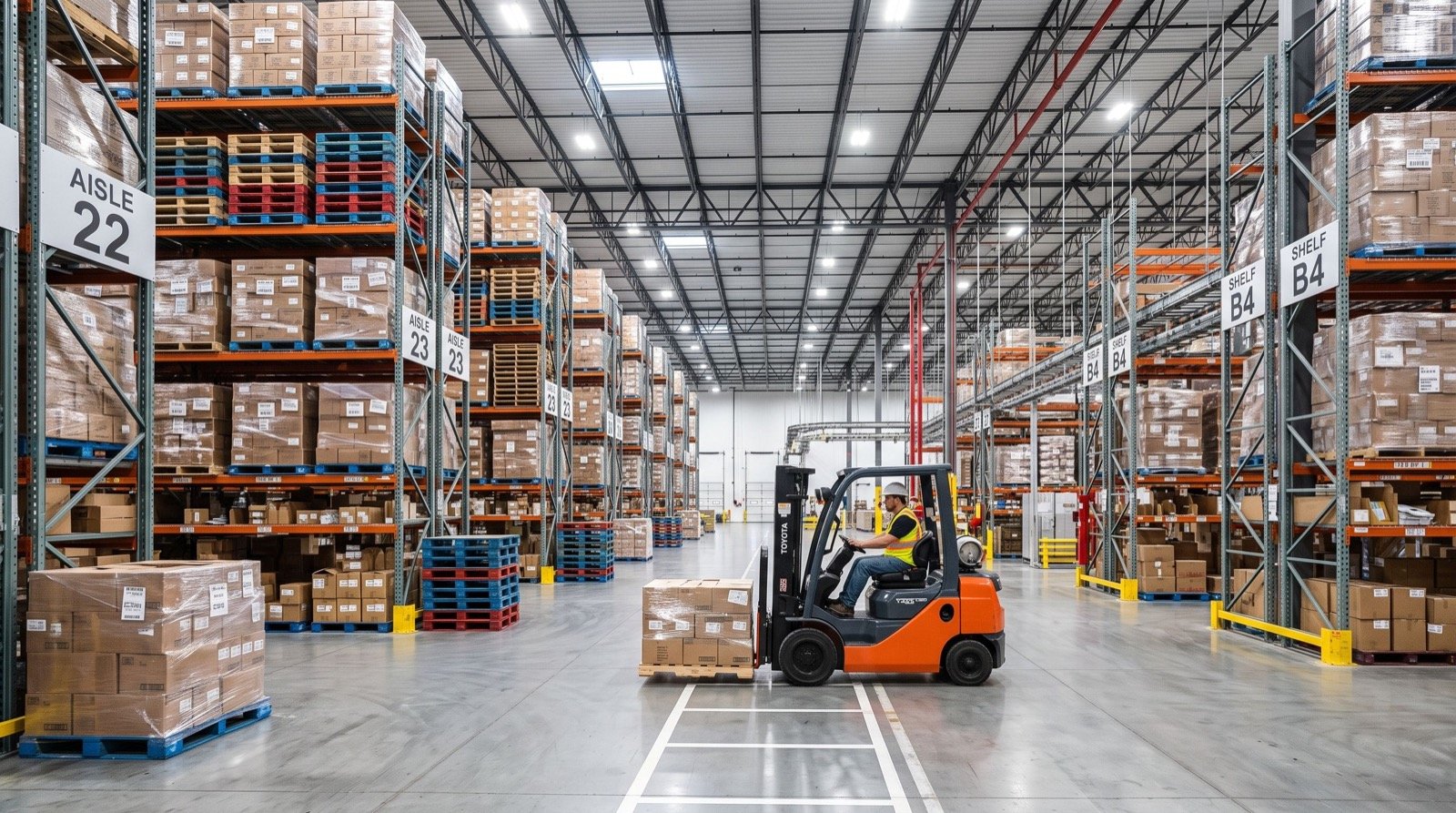
Fashion inventory is unforgiving. Humidity warps leather, sunlight fades dye lots, and a single pest issue can wipe out an entire season’s stock before it ever reaches a store rack. That’s why dry storage in Dammam has become such a specific niche within the city’s wider logistics sector, with fashion brands increasingly choosing purpose-built facilities over generic warehouse space. This guide walks through what dry storage actually means for apparel and accessories, what it costs in 2026, and how to pick a facility that protects inventory instead of quietly degrading it.
For a fashion brand importing or distributing through the Eastern Province, the storage decision affects margins just as much as sourcing or shipping costs do — it just shows up later, as damaged or unsellable stock.
Why Fashion Inventory Needs Specialized Dry Storage
Unlike bulk commodities, fashion goods are sensitive to humidity swings, UV exposure, and even subtle odor contamination from stored alongside other product categories. Dammam’s coastal humidity, combined with intense summer heat, creates exactly the conditions that degrade textiles, adhesives in footwear, and leather goods over time if storage isn’t properly controlled.
A genuine dry storage facility maintains humidity within a tight band — typically below 50-55% relative humidity — rather than simply keeping goods indoors and out of direct rain. That distinction matters enormously for brands storing leather, suede, or delicate embellished garments for multiple seasons.
Common Damage Fashion Brands See From Generic Storage
Brands that use standard warehouse space instead of specialized dry storage commonly report mildew spotting on leather goods, yellowing on light-colored fabrics, and adhesive failure in footwear soles after extended storage periods. These losses rarely show up until the goods are unpacked for a new season, by which point the damage is already done and unrecoverable.
What Dry Storage in Dammam Costs in 2026
| Storage Type | Humidity Control | Typical Monthly Cost Driver | Best For |
|---|---|---|---|
| Generic warehouse space | None/minimal | Per square meter, low rate | Non-sensitive bulk goods |
| Climate-controlled dry storage | Humidity + temperature managed | Per pallet/rack, moderate rate | Apparel, leather, accessories |
| Premium dry storage with security tagging | Tight humidity control + inventory tracking | Per pallet plus handling fees | High-value fashion, luxury goods |
Fashion brands with seasonal collections often negotiate flexible short-term rate increases around peak intake periods, then scale down storage during clearance months — a pattern worth discussing upfront rather than assuming a flat year-round rate applies.
Inventory and Data Management for Multi-Season Storage
Fashion brands juggling multiple collections across different storage zones need accurate, constantly updated inventory records, and most warehouse management systems don’t talk to a brand’s own retail or e-commerce platform without some manual translation step. When a facility exports stock data as a spreadsheet but your retail system needs structured data, a quick CSV to JSON converter turns a warehouse’s flat export file into a format your own systems can actually ingest automatically, instead of re-typing SKU counts by hand every time stock moves.
One Practical Tip Most Brands Overlook
Request a written pest-control schedule and product list from any prospective facility, not just a verbal assurance that “we handle it.” Fashion goods are particularly vulnerable to fabric-eating pests, and a facility using the wrong treatment near sensitive textiles can cause as much damage as the pests themselves. Ask specifically what’s used near fabric storage zones versus general warehouse areas.
Choosing the Right Dry Storage Partner
Not every Dammam warehouse operator understands the specific needs of fashion inventory versus general retail goods. Ask prospective facilities about their humidity logging frequency, their experience with apparel specifically, and whether they offer segregated zones for different fabric types.
Partnering with quality service providers who already specialize in fashion and apparel storage in the Eastern Province saves brands from learning these lessons the expensive way, through a damaged shipment rather than a careful facility audit upfront.
Protecting Product Photography During the Storage and Distribution Process
Fashion brands frequently share product photos with warehouse partners, freight forwarders, and retail buyers during intake and quality checks, and unprotected images can end up reused without permission once they leave a brand’s control. Running catalog images through a free watermark image online tool before sharing them with external partners adds a layer of protection without needing design software, which matters more than most brands realize once photos start circulating across multiple logistics partners.
Industry bodies overseeing Saudi Arabia’s logistics and industrial zones, including guidance published by the Saudi Authority for Industrial Cities and Technology Zones, outline facility standards that serious warehouse operators in the Eastern Province should be able to reference when discussing their compliance and safety practices.
Seasonal Planning: Matching Storage to Collection Cycles
Most fashion brands operate on a two-to-four collection cycle per year, which means storage needs swing dramatically between intake surges and clearance periods. Booking a fixed amount of dry storage year-round often wastes money during slow months and falls short during peak intake, when an entire season’s production arrives within a few weeks of each other.
Negotiating a baseline contract with a flexible overflow clause tends to work better than either extreme. A baseline covers carryover stock and current-season staples, while the overflow clause activates automatically when a new collection’s volume exceeds the base allocation, avoiding last-minute spot-market rates during the busiest weeks of the year.
Coordinating With Freight and Customs Timing
Dammam’s position as a logistics hub means many fashion shipments pass through customs clearance shortly before reaching storage, and delays at that stage can compress the available window for quality inspection once goods finally arrive. Brands that build a buffer of a few extra days into their storage booking — rather than assuming customs clearance will go exactly as scheduled — avoid the scramble of rushing an inspection just to make a retail delivery deadline.
Frequently Asked Questions
What humidity level is safest for storing leather goods long-term?
Most leather goods store safely between 45-55% relative humidity; levels above that range risk mold growth, while levels that are too low can cause leather to dry out and crack over extended storage periods.
How much more does climate-controlled dry storage cost versus generic warehousing?
Climate-controlled dry storage typically carries a moderate premium over generic warehouse space, but the premium is usually far smaller than the cost of replacing a single damaged seasonal shipment.
Should seasonal fashion brands sign annual storage contracts or pay month-to-month?
Brands with predictable seasonal patterns usually save more with annual contracts that include flexible peak-season capacity clauses, rather than paying premium spot rates during each collection’s intake period.
Do fashion brands need separate storage zones for different fabric types?
Yes, delicate fabrics, leather, and embellished garments often benefit from segregated zones with slightly different humidity targets than standard cotton or synthetic apparel.
Final Thoughts
Dry storage in Dammam deserves far more scrutiny from fashion brands than it typically gets, given how much seasonal inventory value rides on consistent humidity control and careful handling. Audit a facility’s humidity logs, confirm their pest-control approach near fabric zones, and match your contract terms to your actual seasonal demand pattern. Reach out to a specialized facility today before your next seasonal shipment arrives and needs a home that actually protects it.